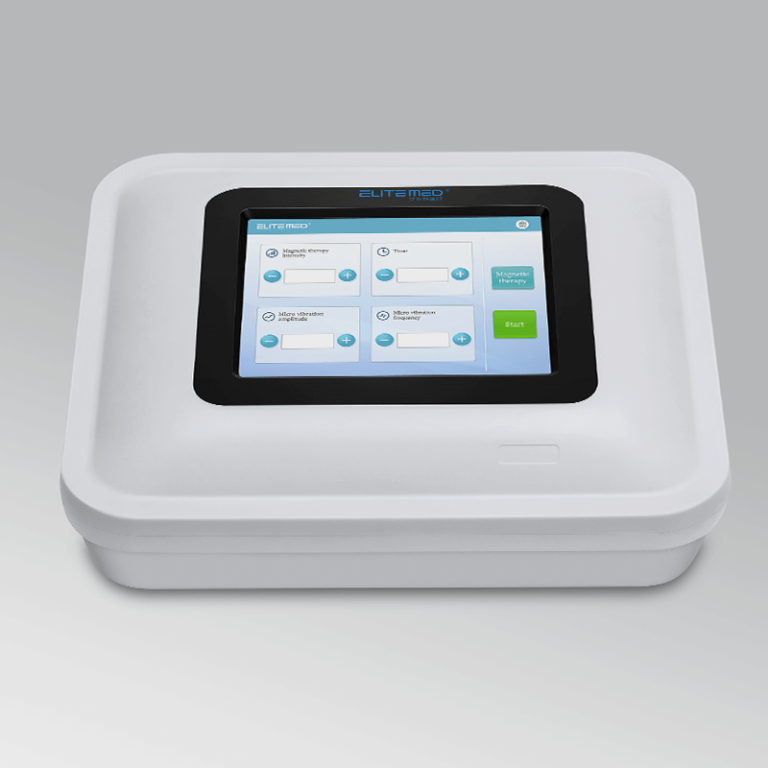
thatTMS Machine (Transcranial Magnetic Stimulation) entails the use of magnetic waves to stimulate nerve cells in the brain. It was developed with the main aim of relieving symptoms exhibited by patients suffering from depression and anxiety. Or other related disorders who failed to get optimal benefits from medical treatment alternatives such as medicines. In this post, we will provide information on how the treatment works using the TMS Machine and discuss the various benefits and potential adverse reactions associated with the process.
How Does the TMS Machine Work?
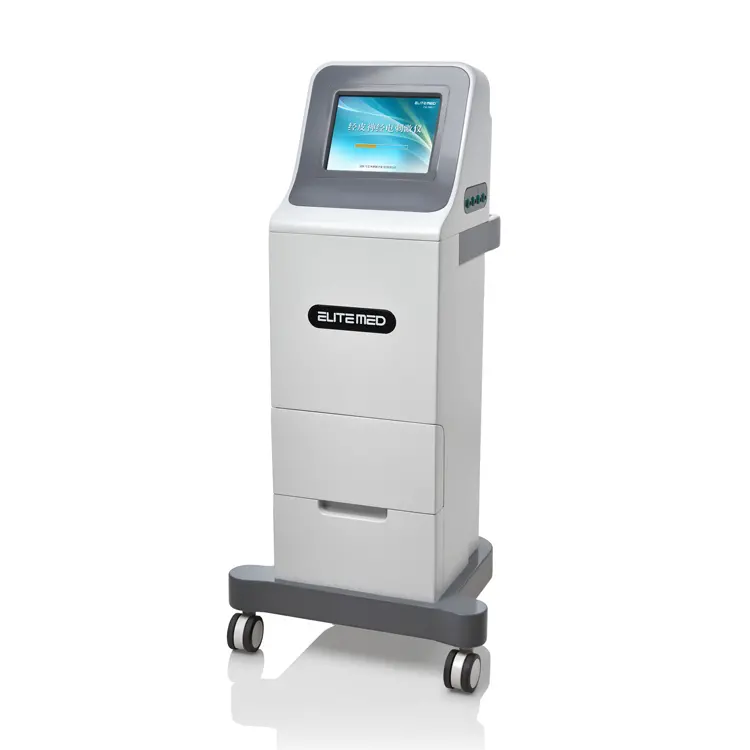
The TMS machine instrument consists of an electromagnetic coil applied to the head, generally above the forehead. The magnetic coil generates rapid bursts of magnetic waves in the brain. These magnetic waves are strong enough to affect the brain activity but are not strong enough to cause any discomfort or pain to the individual undergoing treatment. There is no pain in the treatment process; some people feel tapping sensations in the head.
In TMS treatment, the brain locations usually stimulated include the prefrontal cortex, which regulates mood and emotional issues. In most depression patients, the prefrontal cortex usually operates at low levels. The treatment involves using the TMS machine to “awaken” these sluggish parts of the brain so that all functions return to usual.
The Treatment Process: Step-by-Step
- Consultation: Patients get an initial consultation with a medical professional before the treatment process. During the initial consultation process, your doctor assesses your medical history and confirms whether you need TMS treatment or not.
- Positioning the Coil: On the day of treatment, you’ll be seated in a comfortable chair. The TMS procedure begins when a trained technician places an electromagnetic coil against your scalp, usually at the front part of the head. The exact spot where the coil will be placed will depend entirely on the area of your brain which needs to be treated.
- Stimulation Process: The TMS machine will begin pulsing magnetic waves towards the brain using the coil. It takes less than a second per pulse, and there might be an audible clicking noise when the procedure takes place. In most cases, the patient feels hardly any discomfort. Like tapping sensations in the brain, but there can be no actual pain.
- Session Length and Frequency: The duration of every treatment session ranges from 20-40 minutes. The number of treatment sessions that need to occur varies depending on the disorder that needs treatment. As well as the reaction of the patient undergoing treatment. Patients generally require treatment 5 days a week, in 4-6 weeks; however, the duration can vary from patient to patient.
- Post-Treatment: After treatment with PDT, the individual can immediately return to regular activities. No Recovery Time or Side Effects are required since there are little to no side effects experienced by the patient. Headaches or scalp tenderness can occur in some cases, but are temporary.
Benefits of TMS Therapy
- Non-invasive: TMS Therapy carries out its procedure without any incisions or the use of anaesthesia in comparison to surgery or ECT. It’s a non-invasive treatment needing no hospital stay and having no recovery period.
- Fewer Side Effects: TMS Therapy has fewer adverse effects when compared to conventional antidepressant drugs because conventional antidepressant drugs can cause future or severe adverse reactions. Most patients who get TMS Therapy treatment experience little discomfort when being treated.
- Effective for Treatment-Resistant Depression: One of the most important benefits of TMS Therapy treatment is that it works effectively in cases of depression that are resistant to other treatment alternatives, such as medication or other forms of therapy. In fact, the studies note important improvements in most of the patients.
- Potential for Long-Term Relief: Although the duration of treatment in both cases remained relatively short, there was potential long-term symptom relief in most patients; in fact, most patients remained symptom-free after treatment.
Conclusion
TMS is an innovative, non-invasive therapy that has helped many overcome depression, anxiety, and other mental health disorders. The magnetic pulse stimulation of the brain by a TMS machine has offered hope for improved brain function and symptom reduction in people who have not had success with other treatments.
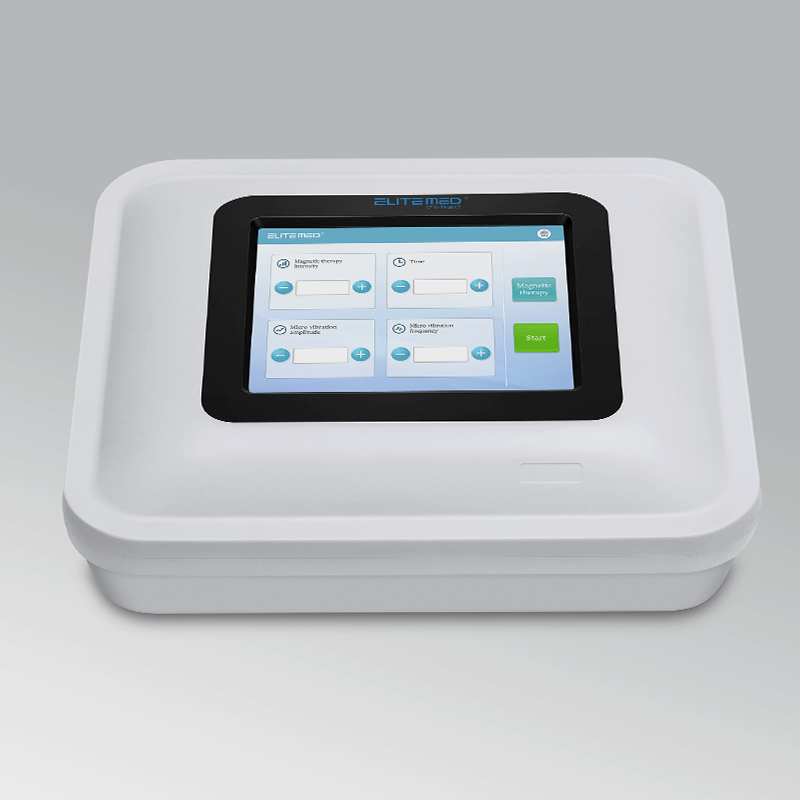
At ELITEMED, we offer state-of-the-art TMS machines built to help health professionals and institutions ensure timely, efficient, and non-invasive care. Our innovative devices achieve the goal of accurate and reliable results, turning them into the perfect option for medical professionals or clinics interested in offering this kind of treatment to their patients. Feel free to contact us for further details regarding our TMS machine.