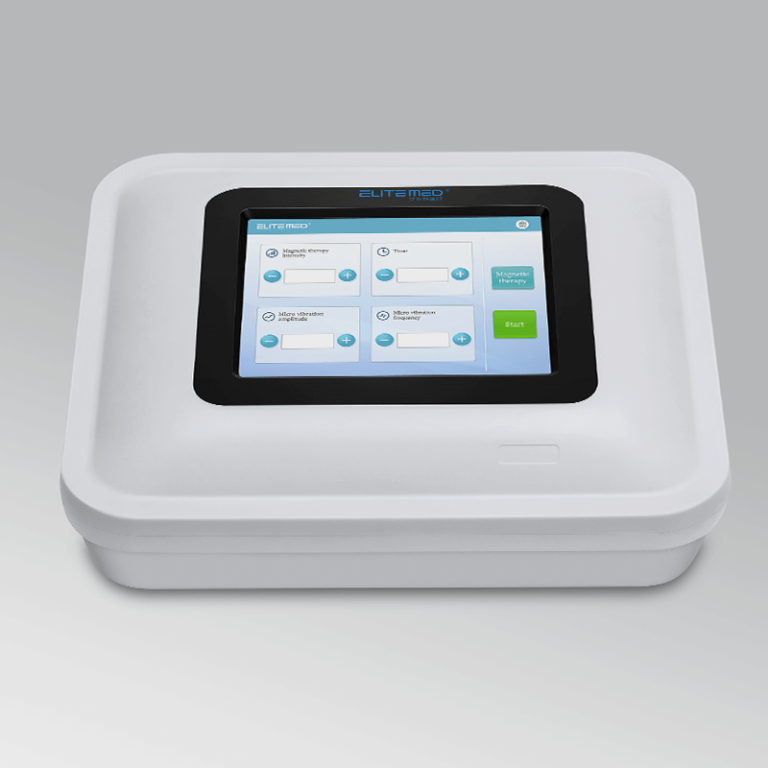
Transcranial Direct Current Stimulator (TDCS) is a novel neuromodulation technology that has gained significant interest in recent times in neuroscience, psychology, and clinical medicine. This non-invasive stimulator uses a weak electrical current to affect brain activity in the hope of improving cognitive functions. Emotional processing and behavioral performance. This publication endeavors to provide an exhaustive overview of the different scientific principles that form the basis for the Transcranial Direct Current Stimulator. Its mode of functioning and its clinical potential.
What Is a Transcranial Direct Current Stimulator?
A Transcranial Direct Current Stimulator is basically a device that modulates and controls the operation of the cortex area of the brain by placing electrodes at different points along the surface of the skull and exciting those points via direct current with low strength. The strength of direct current lies within a range of 1 to 2 milliamps and is not harmful to the human body in any way. The strength of direct current lies in the range of 1-2 milliamps and does not harm the human body in any way. Mainly, there are two major electrodes that the device uses; these include the anode and the cathode.
- Anodal Stimulation: This type of stimulation increases neuronal excitability and thus enhances cognitive functions and emotional regulation.
- Cathodal Stimulation: This decreases neuronal excitability and is typically used for anxiety, depression, and other mood disorders.
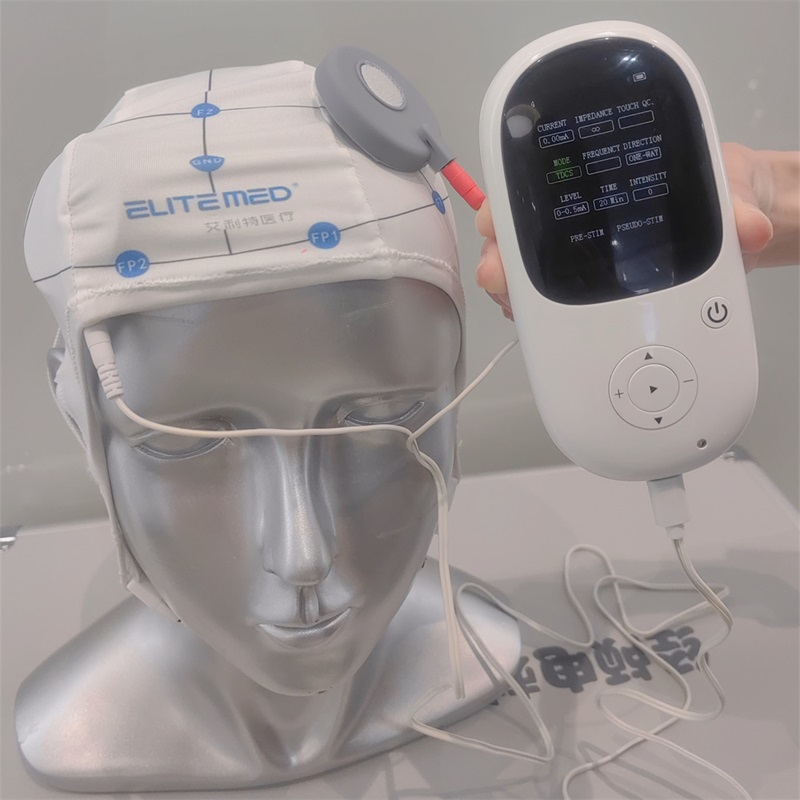
How does a transcranial direct current stimulator work?
The Transcranial Direct Current Stimulator changes the membrane potential of neurons and, thus, their action potential and neural firing. The current within the cortex of the brain generally activates the neurons in the anodal region of heightened activity and increases their likelihood to fire action potentials. While reducing the probability of such neuronal activation in the cathodal region. Scientifically, this mild modulation of neural activity might allow for the induction of brain plasticity, the development of new neural networks, and the enhancement of learning and memory, working memory, and attention.
It is an important mechanism in the long-term reshaping of the nervous system, especially in those cases when it has been damaged. The TDCS can be of great help in the recovery of brain functions and cognitive rehabilitation.
Applications of the Transcranial Direct Current Stimulator
Applications for the Transcranial Direct Current Stimulator have been found in several areas, including:
- Cognitive Enhancement: It has been proven that TDCS improves learning and memory. As such, it is believed to be useful for tasks that demand a higher degree of attention and concentration.
- Emotional Regulation: The symptoms of depression, anxiety, and other mood disorders can be mitigated with TDCS via a modulation in the level of activity of some regions of the brain. Anodal stimulation has been shown to enhance mood in depressed patients, while cathodal stimulation is usually administered for anxiety.
- Brain Injury Rehabilitation: TDCS is considered an effective treatment for the brain in order to recover from cognitive impairment due to stroke, traumatic brain injury, and other forms of damage to the brain.
- Neurological Disease Treatment: TDCS has been utilized in various neurological conditions including Parkinson’s disease, Alzheimer’s disease, and other neurodegenerative disorders as an adjunctive therapy.
Safety and Precautions of the Transcranial Direct Current Stimulator
Although the Transcranial Direct Current Stimulator is a non-invasive treatment method, certain precautionary measures have to be taken while using it. In general, side effects can include mild tingling of the scalp, temporary headache, or slight redness on the skin. Safety requires avoidance of excessively high currents and/or long sessions, which have certain contraindications either in skin conditions or neurological disorders. It is advisable to use it under professional guidance when necessary.
Additionally, research shows that the effects of TDCS are gradual and that the benefits are more pronounced with continued use over time.
Conclusion
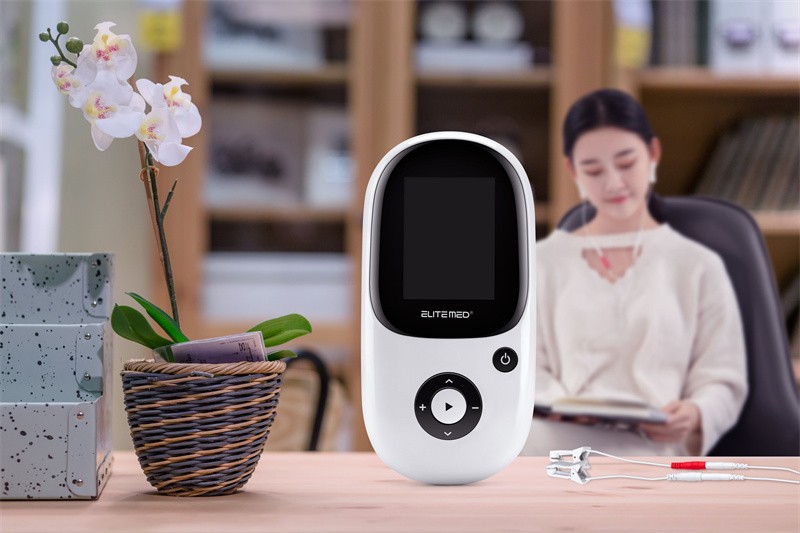
The Transcranial Direct Current Stimulator represents a potentially powerful neuromodulation tool that can influence cognition, emotional states, and the rehabilitation of brain injuries. Although still at the cutting edge of research, clinical evidence is growing that TDCS has the potential to significantly alleviate symptoms of a wide range of neuropsychiatric disorders. As technology continues to evolve and the safety protocols improve, the Transcranial Direct Current Stimulator will continue to be an important adjunctive treatment method in neuroscience.
Contact us if you need more information regarding TDCS-devices by ELITEMED or would like to get further details on our products. Our professional team is at your disposal to give you all the necessary recommendations and assistance in choosing the most appropriate neuromodulation solutions.