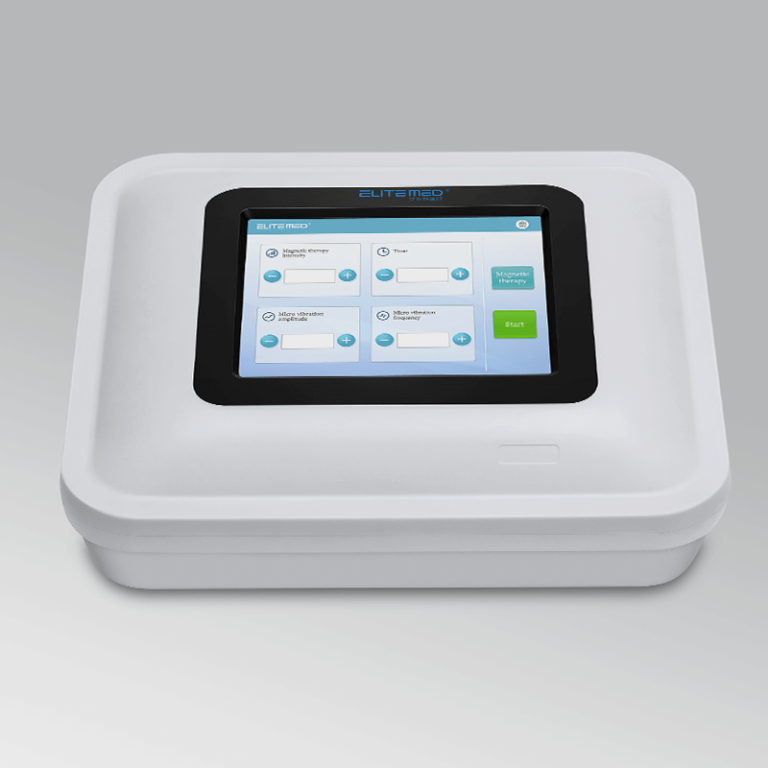
The CES sleep aid device is a tiny, non-invasive device that uses low-intensity electrical currents to soothe and induce sleep.
CES stands for Cranial Electrotherapy Stimulation, and the devices that employ the application of this system have become more portable and convenient in recent years. They are a popular choice in offering a non-pharmaceutical method to assist with sleep on a nightly basis that can be easily fit into a nightly routine.
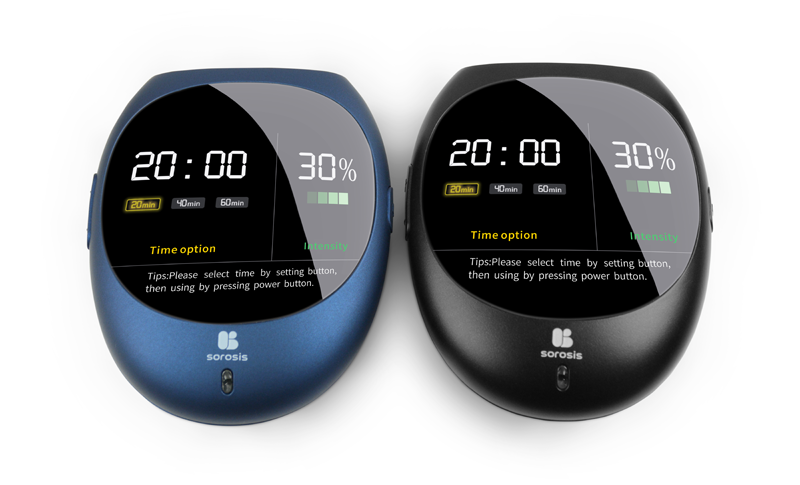
How a CES Sleep Aid Device Works
A CES sleep aid system delivers pulsed microcurrents quite mildly through electrodes placed on or against the head—typically earlobes or temples.
- Microcurrents are quite mild and are intended to have soothing influences on the nervous system.
- Therapy is typically self-administered by the user in a 20–45 minute session, who reclines or sits in peaceful calmness before sleep.
- The assumption is that repeated, short sessions can trigger the body to downshift from arousal to relaxation and, in so doing, provoke sleeping.
Cranial electrical stimulation studies have investigated the way the low currents may impact neurotransmitter function and brain wave activity that are part of relaxation.
- A CES sleep device is no magic wand, but for some users, it is a helpful tool that helps guide them along the way to relaxing when used in conjunction with easy sleep hygiene.
Practical Features and User Experience
Modern CES sleep aid devices are intended to be used daily. Pre-programmed levels of intensity, pre-programmed session duration, rechargeable batteries, and simple electrode attachment are typical design features.
Portability is also a typical market choice: the majority are small enough to take along on trips so users can continue with routine away from home.
Consumers of a CES sleep aid device report a simple setup and gentle improvement rather than a newsworthy short-term impact.
- Sessions are pill-free and chemical-free and are noiseless, so devices are appealing to those who loathe medicine.
- The devices can generally be utilized with other relaxation habits—listening to calming music, taking breathing sessions, or unwinding and stretching prior to sleep.
Who May Use a CES Sleep Aid Device
A CES sleep machine could be of value to a wide cross-section of the population. Infrequent sleepers who are not interested in taking medication can make use of it as part of a sleeping program.
Travelers and shift workers, whose sleeping cycle is the inverse of the natural sleeping cycle, at times use CES sessions to unwind quickly after a work shift.
It’s also employed by people who want an adjunct approach: combining behavior modification (getting to bed on time, reduced screen time, sleep-conducive bedroom environment) with a quiet machine that can induce relaxation. Too often, that tandem is more effective than taking any one step in a vacuum.
Safety and Practical Considerations
A CES sleep aid device is not invasive and is generally very well tolerated. Equipment uses very low currents and is intended not to be painful or to cause strong feelings.
- As a precaution, users should follow manufacturers’ usage guidelines and not misuse electrodes.
- Individuals with implanted electronic medical devices (such as pacemakers) or medical conditions should seek medical consultation before using a CES sleep aid device.
Session duration varies according to product and personal preference; most start with one session per day for a few weeks to track effects. Since the device promotes relaxation and not sleep deprivation, regular use with good sleep hygiene will usually be best.
Real-World Benefits People Report
Sleep aid CES consumers repeatedly indicate enhancements in terms of more rapid onset to sleep, fewer awakenings during the night, and increased morning wakefulness.
- Reduced daytime tension and increased stress coping capacity are found in some consumers as well.
- These are first-hand, self-reported observations gathered from end consumers and represent the effect of the device on sleeping patterns in general.
Practical benefits of a CES sleep aid device are that it is portable, simple to use, and side effect-free. Individuals who travel extensively will appreciate the convenience of carrying a light device with which to reinstate a wind-down routine.
Conclusion
If you’re looking for a non-drug sleep aid, the CES sleep aid device is worth considering. You can find CES Sleep Aid Devices on the Elitemed website. We offer well-designed, easy-to-use devices like the CES Mini 3 Sleep Aid Device and the CES Mini3 Pro Sleep Monitoring Device.
Don’t overlook the key factors that contribute to better sleep quality: a regular sleep schedule, a good sleeping environment, and, if needed, the use of relaxation devices.