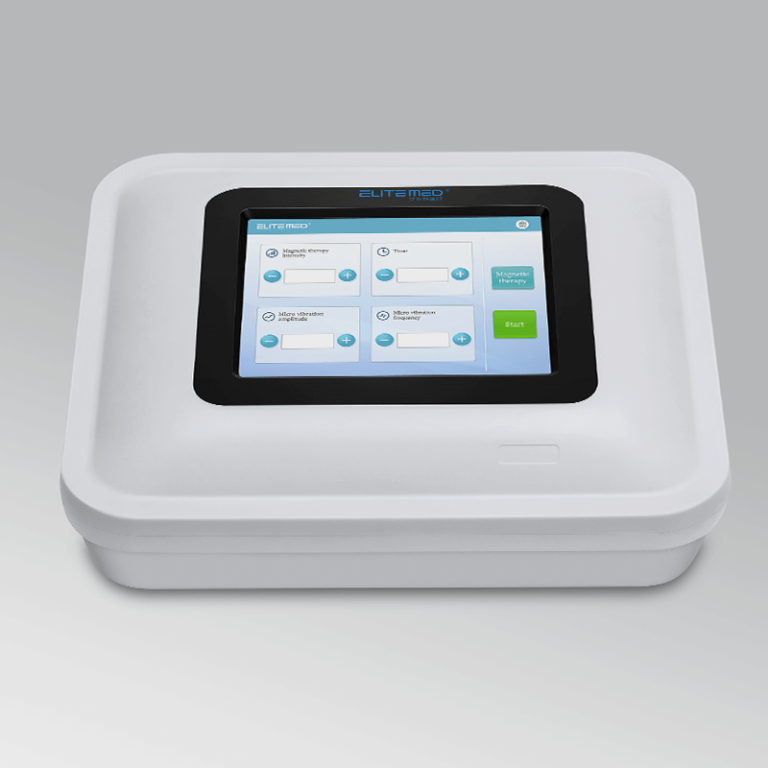
Among modern non-invasive neurostimulation techniques, tDCS, tACS, tRNS, tPCS, and CES form an eclectic suite of approaches with a wider range of applications due to their diversity and versatility in research and practice.
Among these, tACS (transcranial alternating current stimulation) and tPCS (transcranial pulsed current stimulation) have been widely observed and applied in various fields. Understanding the similarities and differences between tACS and tPCS helps understand the unique properties and applications of these approaches.
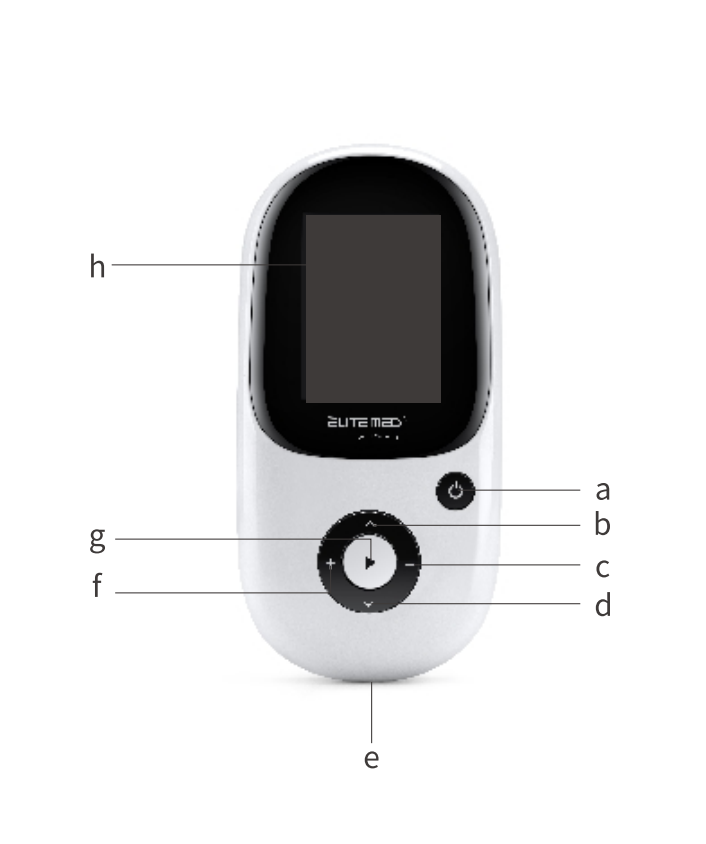
Basic Principles of tACS and tPCS
tACS (transcranial alternating current stimulation)
tACS stimulates the brain using alternating current waves, whose frequency and waveform can be controlled to stimulate different brainwave rhythms. It is frequency-dependent, meaning that different frequencies can be used to stimulate different rhythms of neural activity.
tPCS (transcranial pulsed current stimulation)
tPCS uses pulsed current, typically intermittently. Compared to continuous current, the intermittent nature of tPCS allows for variability in stimulation patterns and the ability to vary pulse width and interval according to the needs of the user or researcher.
tACS vs. tPCS: Similarities
Despite differing current configurations, tACS and tPCS share significant similarities:
- Non-invasiveness: Both are non-invasive, meaning they are neither surgical nor implant-based.
- Adjustable Parameters: Both offer the ability to adjust parameters such as frequency, intensity, and duration to suit different research or application needs.
- Portability: Modern tACS and tPCS devices are designed to be portable and miniaturized for easier use in clinical and research settings.
Wide Application: Both technologies are used in a variety of basic research and experimental paradigms and have become standard equipment in the neurostimulation community.
TACS vs. TPCS: Differences
The primary differences between the two methods lie in their current forms, stimulation types, and their relationship with brain wave rhythms. The following table provides a detailed comparison:
| Feature | tACS (Alternating Current Stimulation) | tPCS (Pulsed Current Stimulation) |
| Current Form | Continuous alternating current, typically sinusoidal | Intermittent pulsed current, typically square or short pulses |
| Relation to Brain Waves | Can synchronize with brain wave rhythms (e.g., α, β waves) | Adjusts based on pulse intervals and frequency to create various stimulation modes |
| Rhythmicity of Stimulation | Emphasizes frequency coupling with brain waves | Focuses on flexibility of pulse timing and interval settings |
| Sensation | Typically perceived as a rhythmic sensation or no sensation | Often perceived as short pulses or light tingling sensations |
| Typical Applications | Research on cognitive rhythms, attention, and sensory processing | Versatile applications, emphasizing personalized parameter settings |
As can be seen in the table, the primary difference between tACS and tPCS lies in the type of current used, and therefore in the research and application platforms.
Tip for Choosing Between tACS and tPCS
Thus, the choice between tACS and tPCS largely depends on the specific needs of the user or researcher.
For example, if synchronization with endogenous, natural rhythmic brain activity is desired, tACS would be an appropriate option. However, if flexibility in timing and pulse structure is required to provide customized stimulation, tPCS would be the best choice.
Both technologies have also been applied in clinical rehabilitation, cognitive enhancement, and neurorehabilitation. Elitemed offers devices that utilize these new technologies and high-quality equipment to meet the needs of end users.
Conclusion
With recent developments in neurostimulation science, both tACS and tPCS offer novel features. tACS stimulates with alternating current and frequency waves, while tPCS uses pulsed current with adjustable duration.
The correct choice between the two depends on the purpose of stimulation, and both have extensive resources for clinical and research applications.
This is thanks to technological innovations from organizations like Elitemed, who are improving neurostimulation treatment and research methods, providing new directions for the promise of neurostimulation.