In the last two years, tdcs brain stimulation electrotherapy has gained popularity as a risk-free and non-surgical way of brain stimulation. Using very mild electricity, the technology can modify how the neurons function and enhance memory, mood, and concentration. Researchers also believe it can aid in stroke and other brain disease recovery.
Understanding tDCS Brain Stimulation Electrotherapy
- What is tDCS?
Transcranial Direct Current Stimulation, or tDCS, is a form of tdcs brain electrostimulation that delivers a constant, low-level electrical current—typically between 0.5 and 2.0 milliamperes (mA)—through electrodes placed on the scalp. It is meant to enhance or block the firing of neurons in specific regions of the brain.
Once the neurons are more stimulated, they can be swapped and swap and exchange information at a faster rate. This is what is described as neuroplasticity, which facilitates learning, memory, and healing of the brain. Because the current transmitted is very minute, tDCS is painless—individuals feel a slight stinging sensation on their skin.
- How Safe Is It?
One of the most significant advantages of tdcs brain stimulation electrotherapy is the extent to which it is safe. In comparison to other brain stimulation treatments that are more invasive, no medication is administered and there is no surgery. There are more than 200 studies that have made tDCS safe from abuse when properly used with few side effects such as minimal fatigue or tingling sensation on the scalp. The sessions are also only 20–30 minutes in duration, and repeated treatment over time can produce long-term results.
Significant Benefits of tDCS Brain Stimulation Electrotherapy
- Cognitive and Learning Facilitation
tdcs brain stimulation electrotherapy also facilitates cognitive function in the form of improved attention, concentration, and working memory. Studies have proven that subjects who were treated with tDCS solved problems and learned 15–20% more than the control group. Due to this, tDCS has been a high-potential technology for learning, research, and professional training if mental endurance and precision are required.
- Emotional and Psychological Regulation
In its stimulation of the prefrontal cortex, a region of the brain that deals with emotion and decision-making, tDCS has also been shown to alleviate symptoms of anxiety and depression. In mildly to moderately depressed patients, almost 60% exhibited improved moods after consecutive sessions on a daily basis comprising 10 tDCS. Being a non-invasive drug-free therapy, it’s an acceptable option or alternative to standard therapy.
- Neurological and Motor Rehabilitation
tDCS is also used for recovery from stroke, brain injury, or motor impairment. It is used to stimulate the impaired areas of the brain to recover movement and coordination in patients. In a research, it put patients on 20 minutes per day tDCS for two weeks and patients regained speech and muscle coordination faster than patients put on conventional therapy alone.
ELITEMED tDCS Brain Stimulation Device
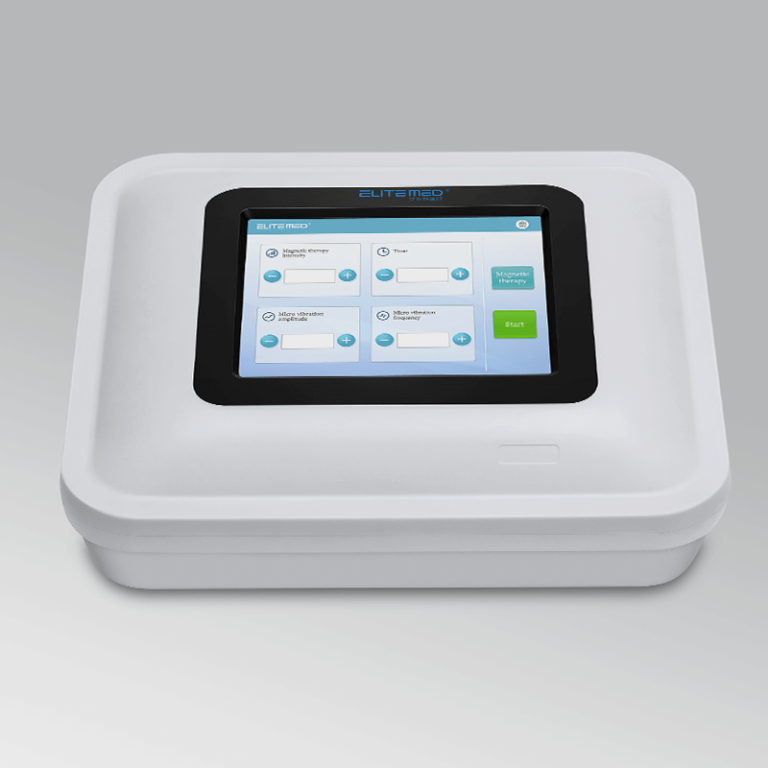
ELITEMED’s TDCS neuroplastically adjusts and recovers from psychiatric and neurological disease. ELITEMED’s TES differs from all other neuromodulation devices as it is relatively inexpensive and accessible to a greater number of individuals.

Key Features:
- Five Core Modes: Provides users with flexibility for professional therapy with the capacity to hold tDCS, tACS, tPCS, tRNS, and CES.
- Safe and Drug-Free: Provides low-level electric therapy painlessly and drug-free.
- Adjustable Intensity: Offers four ranges of currents—0–0.5mA, 0–1mA, 0–1.5mA, and 0–2mA—to enable customers to choose based on comfort and therapy requirements.
- Flexible Models: Three models—portable (home), desktop (two patients), and hospital-grade (eight patients).
- Advanced Settings: Offers pre-stimulation, sham modes, and digital monitoring of therapy to offer precise and safe treatment.
- Main Clinical Uses
ELITEMED is tailored to brain injury rehabilitation, stroke rehabilitation, depression, insomnia, epilepsy, anxiety, and cognitive dysfunction. It also treats autism, ADHD, and pain relief. Through the use of different types of stimulation, it offers wide ranges of neurological and psychological therapy.
Future Development of tDCS Brain Stimulation Electrotherapy
The future of tdcs brain stimulation electrotherapy is brighter. Scientists are working to determine if it may be utilized to cure Alzheimer’s disease, chronic pain, and even addiction. The new tDCS devices are also intelligent and portable, some using artificial intelligence to self-adjust current levels based on brain signals.
But tDCS has to be used with care at all times. Positioning of electrodes, session duration, and intensity of current are variables that influence outcomes. Abuse will result in minimal side effects like headache or dizziness. Users thus have to refer to expert or manufacturer guidelines.
Conclusion
Briefly, tdcs brain stimulation electrotherapy is a simple, convenient, and effective way to enhance brain function. It can improve cognition, support emotional balance, and aid faster recovery after neurological damage. The ELITEMED Brain Stimulator demonstrates the manufacturer’s expertise in this field, offering advanced features, multiple stimulation modes, and a safe, reliable design suitable for both clinical and personal use. With continued development, tDCS is poised to become a standard tool for promoting brain health and unlocking human potential.