
Individuals face significant challenges with sleep issues in today’s fast-paced world: some find it hard to fall asleep, while others wake up or get up too soon. Persistent sleep deprivation leads to issues with focus and recall, triggers emotional fluctuations, and raises the risk of obesity, diabetes, heart disease, and depression. Only the enhancement of daily routines, environments, lifestyle choices, and emotional habits can elevate the quality of sleep. It is in doing this that the body and mind can take back their natural rhythm, hence improving sleep quality.
1. Establish a Regular Sleep Schedule
Human, or circadian, rhythms are what regular schedules are the foundation on. When you establish a consistent routine, your brain will recognize the optimal times to release melatonin, the substance that indicates it’s time for sleep.
- Maintain a regular bedtime and wake-up schedule: Help your body adhere to its routine by sleeping and rising at the same hour daily—even on weekends.
- Steer clear of extended naps: Limit naps to 20 to 30 minutes to recharge energy without disrupting nighttime rest.
- Gradually adjust: For instance, if a person has acquired the habit of staying up late, attempt to go to bed a bit earlier, like 15 minutes each night, until the body acclimates to the change.
- Create a “wind-down” period: At least an hour before bedtime, avoid work, vigorous exercise, and emotionally arousing activities to allow the nervous system to wind down and prepare for a good night of sleep.

2. Create a Comfortable Sleep Environment
A quiet, calm bedroom and a comfortable sleeping environment contribute positively to falling asleep faster and sleeping better.
- Control light and noise: Use blackout curtains, earplugs, or a white-noise machine to block off any disturbances. A dark environment can help the body secrete melatonin and relax.
- Maintain ideal temperature and humidity: The temperature should be maintained between 18 °C to 22°C with 40–60% humidity to avoid discomfort that might cause an awakening.
- Bedding: A supportive mattress and appropriately fitted pillow relieve the pressure off the body and let the spine rest naturally.
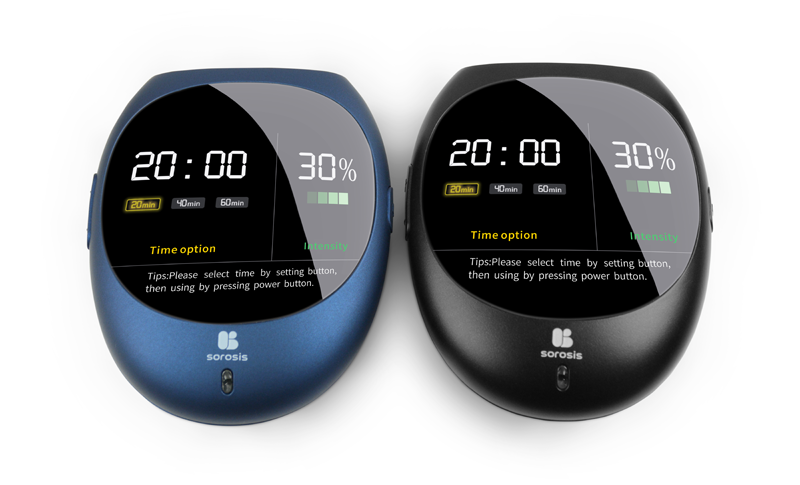
- Sleep aid devices: The use of smart devices like the CES Mini3 Pro machine monitor sleep aid device to improve sleep quality and depth.
3. Adjust Daily Habits to Improve Sleep Quality
The little things in your life can make a big difference in the way you sleep. It is the development of good habits that builds a foundation for long-term rest stability.
- Reduce stimulants: Avoid coffee, strong tea, energy drinks, and sugary drinks after 2 p.m., as these kinds of beverages contain caffeine and sugar, which disturb sleep.
- Limit screen exposure: Avoid phones, tablets, or computers one hour before sleep. Blue light suppresses melatonin, thus keeping the brain active and therefore diminishing one’s chances of improving sleep quality.
- Exercise moderately and regularly: Walking, yoga, or light jogging in the course of the day will improve metabolism and reduce anxiety. However, avoid highly intensive workouts within two hours before bedtime.
- Eat light and moderately: Do not go to bed with a very full or an empty stomach; a small serving of warm milk, oatmeal, or banana relaxes you and helps improve sleep quality
4. Manage Stress and Emotions
Your psychological condition determines quite essentially, what kind of sleep you get. Stress, anxiety, and emotional ups and downs lead to insomnia or shallow sleep.
- Practice relaxation techniques: Deep breathing, meditation, progressive muscle relaxation, meditation, progressive muscle relaxation, or a warm foot bath can help the body get prepared for rest.
- Establish a bedtime ritual: Reading a few pages, listening to soft music, or lighting a calming candle; little rituals that help the brain wind down improve sleep quality over time.
- Keep a positive mindset: Avoid forcibly trying to sleep or repeatedly checking the time; it just adds to tension. Concentrate on breathing or indulge in fond memories of your life.
- Express and release emotions: Writing, talking with friends, or doing light exercise helps you release emotional stress for deeper sleep.
Conclusion:
Quality sleep is about physical recovery and mental balance. It is not a luxury, but a basic need for having energy and health. Establishing routine habits, making proper adjustments to the environment. Developing healthy practices and managing one’s emotions improve sleep quality over time. Allowing one to return to deep, natural, and restorative rest. Let every night become the real time for recharging, waking up fresh in the morning, ready for life.
If you want to learn more about smart solutions for improving sleep. ELITEMED can offer professional advice and experiences with various products; please contact us to learn more ways of improving your sleep.